
How I published my first WordPress.org plugin with Cursor, Git, and AI
Today I published my first plugin on WordPress.org: TOCguide. It is a Gutenberg Table of Contents…
Journal
Posts cross-posted from DEV.to.
Today I published my first plugin on WordPress.org: TOCguide. It is a Gutenberg Table of Contents…
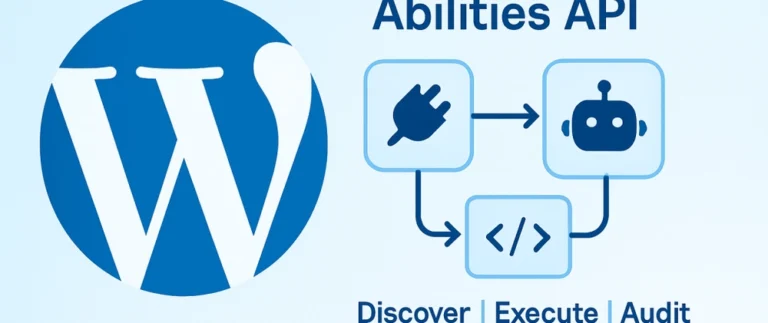
WordPress 6.9 added the Abilities API. Register a category and one ability, lock it with a permission check, then expose it to REST and AI agents.
After nearly five years of enterprise Power Platform work, I’m pivoting my content and personal projects back to modern custom WordPress development.
Where AI speeds up my custom WordPress builds, and where it doesn’t. Cursor and Claude cut repeat work. Architecture, testing, and sign-off stay with me.
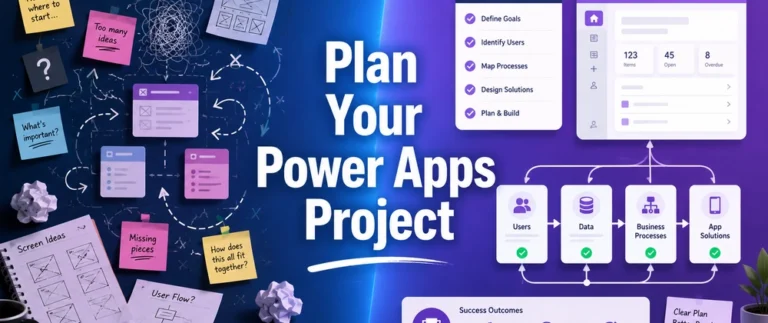
Plan a Power Apps project before you build: the problem, the users, the current and future process, data, flows, permissions, testing, and launch.
A blank Power Apps gallery is rarely a broken app. Strip Items back to the data source, then add filters, dropdowns, and collections back one at a time.
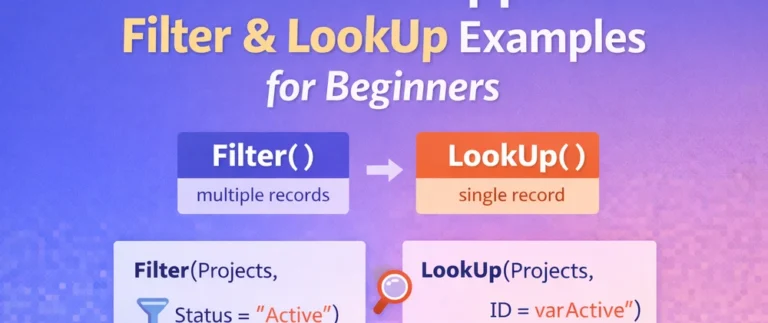
Filter returns a table, LookUp returns one record, and collections hold data in memory. When to use each in Power Apps, with examples that break.
Slow Power Apps are usually a design problem: too much data, crowded screens, heavy formulas, repeat calls, delegation, and work that runs on load.
How I’d build a first Power Apps app today: one data source, a gallery, a form, and a save button. The core patterns, step by step.
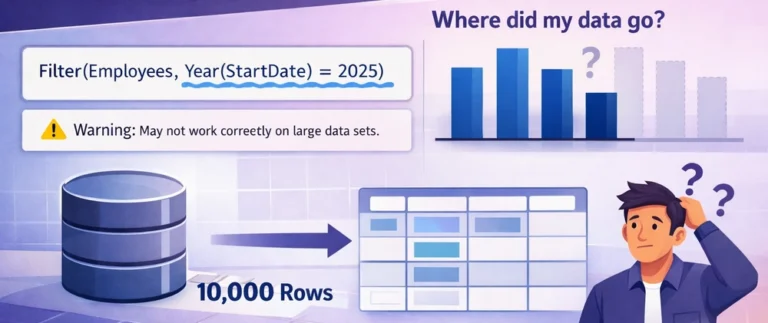
Why a Power Apps gallery stops at 500 rows: what delegation means, a common SharePoint filter that breaks it, and a delegable version that works.
There is no email list. Copy the feed URL into Feedly, NetNewsWire, or another reader you already use.
https://matthummel.com/feed/
Open feed